Welcome to the Vertu Electric Car Hub. If you've been thinking about making the switch to an EV, you'll find everything you need to know right here. From batteries and range, to charging, grants, and more.
Electric car hub
Grants & incentives
In July 2025, the UK government announced the reintroduction of grants for eligible electric vehicles (EVs). Buyers can get up to £3,750 off qualifying new EVs at the point of purchase. Used EVs are not eligible for the grant. You can see the full list of eligible models here
Benefits of owning an electric vehicle
Understanding electric cars
How do electric car batteries work?
See how EV batteries store and deliver their power.
Where do you charge electric cars?
From home plugs to rapid chargers on the motorways.
What incentives come with electric cars?
Explore the grants and savings that could be yours.
What maintenance do electric cars require?
Learn why EVs need less upkeep than a petrol model.
Is an electric car right for you?
Weigh up if electric suits your driving and budget.
Types of electric cars
HEV
Hybrid Electric Vehicle: Combines a combustion engine with an electric motor, charged on the go through regenerative braking.
PHEV
Plug-in Hybrid Electric Vehicle: A petrol or diesel engine paired with an electric motor and battery, which requires plugging in to recharge.
BEV
Battery Electric Vehicle: Features an electric battery pack that sends energy to an electric motor to drive the wheels.
Bi-Fuel
Bi-Fuel: A car powered by two different types of fuel, often referred to as Liquid Petroleum Gas (LPG).
REEV
Range Extended Electric Vehicle: A type of electrified car with a small petrol engine that acts as a generator to help charge an electric battery.
Latest new electric car deals
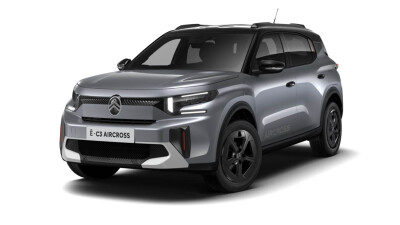
0% APR Representative
'/%3E%3C/svg%3E)
83kW Extended Range Collection 54kWh 5dr Auto Electric Hatchback
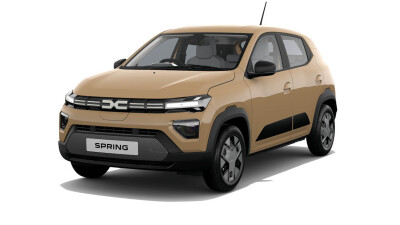
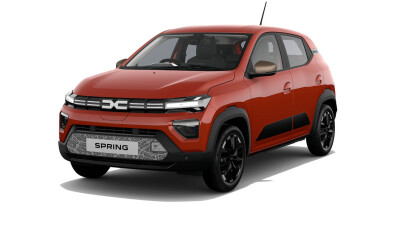
INCLUDES £3,750 GOV EV GRANT^
160kW Techno 87kWh Long Range 5dr Auto Electric Estate
Latest used electric car deals
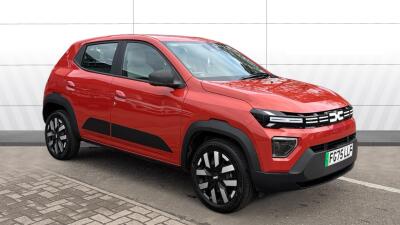
Includes £500 discount
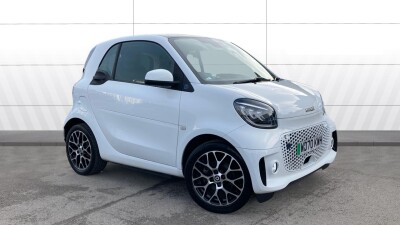
60kW EQ Prime Exclusive 17kWh 2dr Auto [22kWCh] Electric Coupe
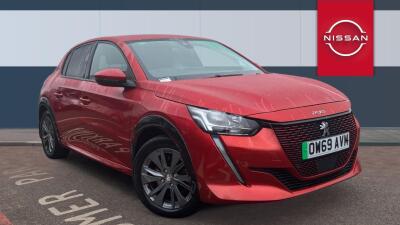
Includes £500 discount
100kW GT Line + R135 50kWh Rapid Charge 5dr Auto Electric Hatchback
Frequently asked questions
How much are electric cars?
Prices for electric cars vary, depending on make and model, whether they are new or used, and the type of powertrain (hybrid or fully electric). Currently, the average price to buy an electric car in the UK is around £46,000 according to NimbleFins. However, manufacturers are steadily ramping up production of more affordable models starting from £20,000 or less.
Are all electric cars automatic?
Most electric cars are automatic as they use a single gear, making them simplified automatic. Electric cars don't need multiple gears to hold the car within set bands of speed unlike traditional combustion engines.
This same gear will work for several functions, with the driver simply selecting forward, reverse, or neutral/park.
How do electric cars work?
Electric cars work unlike traditional combustion engines which burn petrol or diesel fuel for energy. They are powered by electric motors, which are themselves powered by a traction battery pack.
A controller manages the speed and power sent to the electric motor, which in turn powers the wheels - controlling speed as you accelerate. The battery is recharged by plugging into an electric power source, or through regenerative braking. This depends on whether it is electric or hybrid.
What is the best electric car?
There are lots of high-performing electric cars on the market today, with more and more models being released. View our new electric cars for sale for the latest models available.
Are electric vehicles better for the environment?
Unlike the harmful emissions from petrol and diesel engines, electric cars are much less harmful to the environment. Since they don't burn any fuel, there are next to zero emissions produced by EVs, making them a friend of nature.
How far can an electric car go?
This depends largely on the size of your battery. The larger the battery, the greater the distance you will be able to travel. Today, most EVs offer an average of 300-400 miles or more, making them more suitable for longer journeys. Read more about electric vehicle journeys in our helpful beginner's guide.
Are electric cars exempt from road tax?
No, electric vehicles must pay road tax (Vehicle Excise Duty, or VED) in the UK. They were previously exempt, but this changed from 1 April 2025, and EVs are now subject to the same VED rules as petrol and diesel cars.
As part of the Autumn Budget 2026 to encourage more people to buy electric cars, the government raised the price limit for the expensive car supplement duty from £40,000 to £50,000.
'/%3E%3C/svg%3E)